
Understanding High Ticket Remote Sales
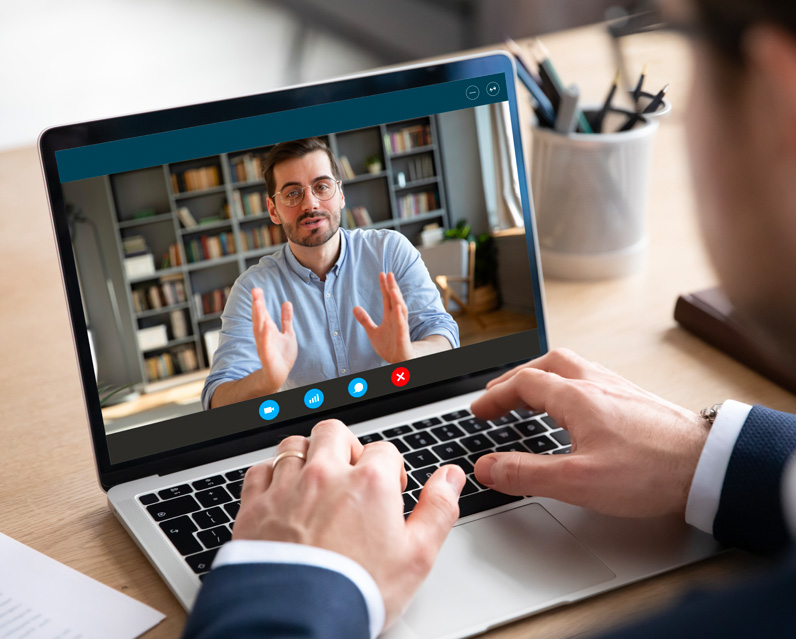
High ticket remote sales refers to selling premium-priced products or services entirely through online or phone-based communication. These offers typically range from $2,000 to $50,000 or more, depending on the industry and business model. If you’re learning how to get into high ticket remote sales, it is important to understand that this is not casual selling but a structured, skill-based profession. Companies invest heavily in remote closers because one successful deal can generate significant revenue. This is why commission payouts are often much higher compared to traditional sales roles. The work is fully remote, meaning you can operate from anywhere with a stable internet connection. Many professionals enter this field because it combines income potential with flexibility and skill development.
High ticket remote sales is common in industries such as online coaching, business consulting, SaaS platforms, real estate investment programs, and financial education offers. These industries rely on trust and communication rather than physical storefronts. Unlike retail sales, the buyer is often making a transformative decision rather than a simple purchase. This is why the sales process is more conversational and relationship-driven. Understanding this difference is essential if you want to learn how to get into high ticket remote sales successfully. The role requires emotional intelligence, patience, and strong communication skills. It is less about pushing products and more about guiding decisions.
Why High Ticket Remote Sales Is Becoming One of the Most Sought-After Careers
The rise of remote work has transformed how companies operate, especially in sales-driven industries. Businesses are now building fully distributed teams where closers work from different parts of the world. This shift has opened the door for individuals learning how to get into high ticket remote sales without needing traditional office experience. Companies prefer remote closers because they reduce overhead costs while increasing scalability. One skilled closer can generate more revenue than multiple entry-level sales reps.
Another reason this field is growing rapidly is the digitalization of high-value services. Coaching programs, online certifications, and software subscriptions are now sold globally. These offers require persuasive communication, which is where remote closers excel. The earning potential is another major attraction, as commission-based income can exceed traditional salaried roles. Many professionals are drawn to the flexibility of choosing their work environment and schedule. This career path also allows for rapid skill development, especially in communication and negotiation.
Core Skills Required to Break Into High Ticket Remote Sales
If you’re exploring how to get into high ticket remote sales, developing the right skills is essential before applying. Communication is the foundation of success in this field. You must be able to clearly explain value while also listening carefully to client needs. Active listening helps uncover emotional triggers behind purchasing decisions. Emotional intelligence is equally important because high ticket buyers often make decisions based on trust and confidence.
Persuasion is not about manipulation but about guiding prospects toward a beneficial decision. This requires understanding human psychology and decision-making patterns. Confidence also plays a key role, especially during live sales calls. Many beginners struggle not because they lack knowledge but because they hesitate during conversations. The ability to stay calm under pressure directly impacts conversion rates. Consistency in practicing these skills separates top performers from average closers.
Understanding the High Ticket Sales Funnel
To understand how to get into high ticket remote sales, you must first understand how the sales funnel operates. Leads are typically generated through paid advertising, webinars, or organic content marketing. These leads are then filtered through appointment setters who qualify potential buyers. Only qualified prospects are passed on to closers. This ensures that sales calls are more efficient and targeted.
The closer’s job begins during the scheduled call, where the goal is to identify needs and present solutions. The structure usually follows a conversational flow rather than a scripted pitch. Trust-building is a major component of the process. After the call, follow-ups may be required to nurture undecided prospects. Each step in the funnel is designed to maximize conversion rates. Understanding this system is crucial for anyone learning how to get into high ticket remote sales effectively.
Building Foundational Sales Knowledge Before Applying
Before entering the industry, it is important to understand basic sales psychology. Buyers of high ticket offers are not just purchasing a product but a transformation. This means emotional triggers play a larger role than logical reasoning. Learning how people make decisions will significantly improve your ability to close deals.
Common objections such as price, timing, and trust issues must be handled confidently. You should also understand the importance of positioning value over cost. Trust is the currency of high ticket sales, especially in remote environments where physical interaction is absent. Studying proven sales methodologies can accelerate your learning curve. The more prepared you are, the easier it becomes to break into the field.
How to Get Into High Ticket Remote Sales Without Experience
Many beginners worry that lack of experience will prevent them from entering the field, but that is not always the case. Companies often hire entry-level candidates if they demonstrate strong communication skills and coachability. If you’re researching how to get into high ticket remote sales, you can start by applying for appointment setter roles. This allows you to gain exposure to real sales conversations.
Another pathway is joining training programs that prepare beginners for closing roles. Some individuals also transition from customer service or retail backgrounds. These roles already involve communication and problem-solving, which are transferable skills. Building a simple but focused resume highlighting these abilities is important. Employers value attitude and willingness to learn as much as experience. Consistency in applications and interviews increases your chances of breaking in.
Training Yourself to Become a High Ticket Closer
Skill development is essential if you want to succeed in high ticket remote sales. Many professionals invest time in online courses or mentorship programs. Practicing sales conversations regularly helps build confidence. Role-playing objection handling scenarios is particularly effective. Observing experienced closers can also accelerate learning.
Here are key training practices to follow:
-
Practice daily mock sales calls
-
Study recorded high ticket sales conversations
-
Learn objection handling frameworks
-
Develop a structured pitch flow
-
Improve emotional control during calls
Consistency in these practices will significantly improve performance. Many successful closers dedicate time every day to refining their communication skills. This commitment is what separates beginners from professionals.
Where to Find High Ticket Remote Sales Jobs
Finding opportunities is a major step in learning how to get into high ticket remote sales. Many companies post job listings on remote work platforms and sales job boards. Digital marketing agencies often hire closers to support their clients. Coaching businesses are also a major source of opportunities.
Networking is another powerful method. Engaging with sales communities online can lead to referrals and job offers. LinkedIn is especially useful for connecting with recruiters and business owners. Some opportunities are not publicly advertised, making networking even more valuable. Persistence is key when applying for roles in this competitive field.
How to Build a Strong Personal Brand in Remote Sales
Personal branding plays a significant role in attracting opportunities. Employers and clients often search for credible and confident professionals. If you’re learning how to get into high ticket remote sales, building an online presence can set you apart. A strong LinkedIn profile showcasing your communication skills is a good starting point.
Sharing insights about sales and communication helps establish authority. Even beginners can build credibility by documenting their learning journey. Consistency in posting and engaging with industry content is important. Recruiters often prefer candidates who demonstrate initiative and professionalism. A strong personal brand increases your visibility in the job market.
Common Mistakes Beginners Make When Entering High Ticket Remote Sales
Many beginners struggle because they focus too much on income instead of skill development. This mindset often leads to frustration and inconsistency. Another common mistake is applying for jobs without proper preparation. Lack of understanding about the product or service also affects performance during interviews.
Some individuals expect immediate success without practice or training. This field requires patience and continuous improvement. Poor communication during interviews can also reduce chances of getting hired. Avoiding these mistakes increases your chances of success. Learning from early challenges is part of the growth process.
Income Expectations in High Ticket Remote Sales
Income in this field varies depending on performance and commission structure. Some roles offer base pay plus commission, while others are fully commission-based. Beginners may start with modest earnings but can scale quickly with experience. Understanding how to get into high ticket remote sales also means understanding income variability.
Earnings depend on conversion rates, deal size, and consistency. Skilled closers can earn significantly more than traditional office jobs. However, income is not guaranteed and requires effort. Performance directly impacts financial growth. This makes the field both challenging and rewarding.
Tools and Technology Used in Remote Sales Roles
High ticket remote sales professionals rely on various tools to manage their workflow. CRM systems help track leads and conversations. Scheduling tools assist in booking appointments efficiently. Communication platforms are used for team collaboration and client interaction.
Call recording tools allow closers to analyze performance. Automation tools help streamline repetitive tasks. Understanding these tools improves efficiency and productivity. Familiarity with technology is a major advantage in remote roles. Mastering these tools enhances overall performance.
Daily Routine of a High Ticket Remote Sales Closer
A typical day in this profession is structured yet flexible. Most closers begin by reviewing their pipeline of leads. Preparation before sales calls is essential for success. Calls are usually scheduled throughout the day based on different time zones.
After each call, notes and follow-ups are recorded. Performance review is an important part of daily improvement. Many professionals also spend time practicing communication skills. Continuous learning is a key part of the routine. Discipline plays a major role in long-term success.
Career Growth Opportunities in High Ticket Remote Sales
This field offers multiple growth paths for ambitious individuals. Many closers transition into team leadership roles. Others move into training and coaching positions. Some eventually build their own sales agencies.
Understanding how to get into high ticket remote sales is only the beginning of a larger career journey. Long-term professionals often scale income by building systems rather than relying solely on personal sales. Business development roles are also common progression paths. The opportunities for advancement are significant for consistent performers.
Frequently Asked Questions
What is high ticket remote sales?
It is the process of selling high-value products or services remotely through phone or video calls, usually on a commission basis.
Do I need experience to enter high ticket remote sales?
No, many companies hire beginners if they show strong communication skills and willingness to learn.
How much can beginners earn?
Beginners typically start lower but can scale income quickly depending on performance and deal size.
What skills are most important?
Communication, emotional intelligence, persuasion, and consistency are essential skills.
Is high ticket remote sales legitimate?
Yes, many reputable companies operate in this space, especially in coaching, SaaS, and consulting industries.
How long does it take to succeed?
It varies, but consistent practice and training usually lead to improvement within a few months.
Takeaway
Learning how to get into high ticket remote sales opens the door to a high-income skill-based career that rewards communication, discipline, and continuous growth. Success in this field depends more on skill development than prior experience, making it accessible to beginners willing to learn. With the right training, mindset, and persistence, remote sales can become a long-term and flexible career path with significant earning potential.