
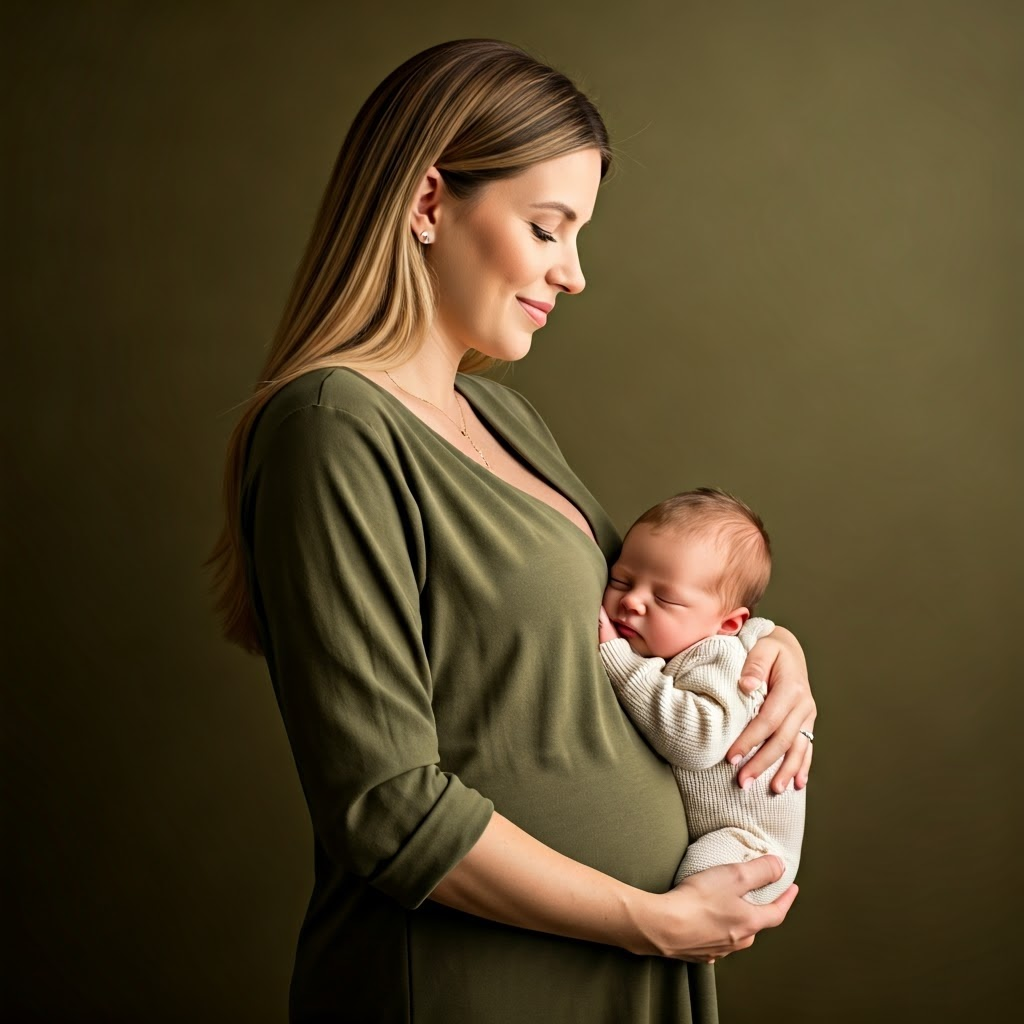
The Growing Demand for Postpartum Support Professionals
The transition into motherhood is one of the most transformative experiences in a woman’s life. While it can be joyful and meaningful, it can also be overwhelming, physically exhausting, and emotionally complex. Modern families are becoming more aware of postpartum mental health, recovery timelines, and the importance of structured support. As a result, more mothers are actively seeking qualified professionals who understand the delicate postpartum window. This shift has significantly increased the demand for trained specialists with a postpartum coach certification. Families no longer want generic advice pulled from social media threads or outdated parenting manuals. They want guidance from someone educated, ethical, and prepared to walk alongside them during one of the most vulnerable seasons of their lives.
Healthcare systems are often stretched thin, leaving limited time for in-depth postpartum care. Many mothers report feeling unsupported once they return home from the hospital. A certified postpartum coach helps bridge this gap by offering personalized, ongoing guidance. The growing awareness of postpartum depression, anxiety, and identity shifts has also contributed to the need for professionals trained specifically in maternal wellness. With a postpartum coach certification, you position yourself at the forefront of this expanding field. This is not simply a trend; it reflects a broader cultural recognition that mothers deserve comprehensive support beyond childbirth.
What Is Postpartum Coach Certification?
Postpartum coach certification is a structured training program designed to equip professionals with the knowledge and skills to support mothers during the postpartum period. Unlike informal mentoring or general life coaching, this certification focuses specifically on the physical, emotional, and psychological realities of life after birth. It defines clear boundaries of practice, ensuring coaches provide non-clinical support while referring medical or mental health conditions appropriately. Certified postpartum coaches are not therapists or medical providers, but they are highly trained in recognizing red flags and offering evidence-informed guidance.
A postpartum coach differs from a postpartum doula in that coaching often extends into mindset, identity, long-term habit formation, and structured goal setting. While doulas typically focus on hands-on assistance and immediate postpartum care, coaches emphasize strategic guidance and emotional processing. Certification programs clarify ethical standards, confidentiality practices, and communication frameworks. They also teach client assessment tools and structured session planning. By earning a postpartum coach certification, you demonstrate both competence and commitment to professional excellence. That distinction matters greatly when families are choosing someone to trust during a sensitive stage of life.
Why Postpartum Coach Certification Matters
Credibility is essential when working with new mothers. A postpartum coach certification signals that you have completed formal training rather than relying solely on personal experience. While lived experience as a mother can be powerful, professional education ensures you understand postpartum physiology, hormonal shifts, and maternal mental health indicators. This knowledge builds trust and confidence with clients. Certification also provides legal and ethical clarity, which protects both you and the families you serve.
Structured education gives you frameworks instead of guesswork. You learn how to ask powerful questions, identify emotional patterns, and create personalized support plans. This professional structure increases your ability to charge premium rates and position yourself as an expert. It also enhances collaboration opportunities with OB-GYNs, midwives, lactation consultants, and pediatricians. When healthcare professionals know you are certified, they are more likely to refer clients. In a competitive wellness industry, postpartum coach certification differentiates you from general life coaches or informal support providers.
Core Skills You Gain Through Postpartum Coach Certification
A comprehensive postpartum coach certification program covers emotional intelligence, communication mastery, and maternal psychology. You learn to recognize the difference between baby blues and more serious mental health conditions. Active listening techniques become second nature, allowing mothers to feel seen and heard without judgment. Trauma-informed coaching principles help you support clients who have experienced difficult births or unexpected complications. Confidence-building strategies empower mothers to trust their instincts and reduce self-doubt.
Physical recovery education is another core component. While you do not diagnose or treat medical conditions, you gain a clear understanding of postpartum healing timelines. You learn about nutrition fundamentals, hydration needs, and gentle movement strategies that support recovery. Sleep coaching basics help you guide mothers through newborn sleep challenges without unrealistic expectations. Infant care education often includes safe sleep guidelines, feeding fundamentals, and understanding newborn cues.
Equally important is identity and relationship coaching. Many women struggle with the shift from individual identity to motherhood. Certification programs teach you how to guide clients through this emotional evolution with compassion and clarity. You learn strategies for navigating partnership dynamics, communication challenges, and boundary setting. These skills transform you into a well-rounded postpartum support professional capable of addressing the whole person, not just surface-level concerns.
Curriculum Breakdown: What to Expect in a Postpartum Coach Certification Program
Most postpartum coach certification programs begin with foundational modules on postpartum physiology and maternal mental health. You study hormonal fluctuations, physical recovery stages, and common emotional patterns. From there, coursework expands into coaching methodologies, including motivational interviewing and behavior change strategies. Ethical standards and professional boundaries are emphasized to ensure safe practice.
Business development is often integrated into the curriculum. You learn how to structure coaching packages, conduct intake sessions, and maintain professional documentation. Many programs include role-playing exercises to simulate real client scenarios. This hands-on practice builds confidence and prepares you for complex conversations. Assessments may include written exams, practical demonstrations, or supervised coaching hours.
Flexible learning formats are common, with online modules, live virtual workshops, and downloadable resources. Some programs can be completed in a few months, while others span a year depending on depth and specialization. The investment varies, but many institutions offer payment plans. When selecting a postpartum coach certification, reviewing curriculum depth and faculty expertise is crucial. A well-structured program ensures you graduate feeling prepared rather than overwhelmed.
Career Opportunities After Postpartum Coach Certification
With a postpartum coach certification, career pathways expand significantly. You can offer one-on-one coaching either in person or virtually. Group coaching programs allow you to serve multiple mothers simultaneously, fostering community support. Many certified coaches create structured postpartum recovery programs that run for several weeks or months.
Partnerships with healthcare providers can open referral streams. Some hospitals and clinics integrate postpartum coaching into discharge plans or maternal wellness programs. Corporate organizations are also beginning to offer parental support services as part of employee wellness initiatives. This creates opportunities to work with companies seeking to retain working mothers.
Online branding is another powerful avenue. You can build a digital presence through social media, webinars, and educational content. Workshops, online courses, and digital guides allow you to scale your impact beyond one-on-one sessions. A postpartum coach certification not only prepares you for direct client work but also supports entrepreneurial growth in a rapidly expanding niche.
Income Potential and Business Growth Strategies
Income as a certified postpartum coach varies depending on experience, location, and service structure. Many coaches charge hourly rates, while others package services into multi-week programs. Subscription models offer ongoing monthly support for mothers who want extended guidance. Premium packages may include unlimited messaging support, customized recovery plans, and partner coaching sessions.
Marketing strategies play a vital role in income growth. Clear messaging about the benefits of postpartum coach certification builds authority. Educational content that addresses common postpartum challenges positions you as a trusted voice. Building referral relationships with doulas, lactation consultants, and therapists strengthens your network.
Scaling opportunities include creating online courses or hosting workshops. Community-based support groups can also generate steady revenue while fostering impact. With strategic planning and professional branding, postpartum coaching can become a sustainable and fulfilling career path.
Who Should Pursue Postpartum Coach Certification?
Postpartum coach certification is ideal for stay-at-home mothers seeking a flexible and meaningful career. Nurses and healthcare professionals often pursue certification to expand their maternal wellness expertise. Life coaches looking to specialize in a high-demand niche can benefit from targeted postpartum training. Doulas frequently add certification to broaden the scope of their services.
Fitness professionals interested in maternal recovery can use this credential to deepen their knowledge base. Mental health advocates who are passionate about maternal well-being also find this path rewarding. Entrepreneurs seeking purpose-driven careers appreciate the meaningful impact of supporting new mothers. If you feel called to guide women through one of life’s most vulnerable transitions, this certification provides the structure and credibility to do so responsibly.
Common Challenges and How Certification Prepares You
Working with postpartum mothers requires emotional resilience. Conversations may involve birth trauma, anxiety, or relationship strain. Certification programs teach you how to manage emotionally intense sessions without absorbing the stress. You learn boundary-setting techniques that prevent burnout.
Cultural sensitivity is another critical skill. Families come from diverse backgrounds with varying beliefs about motherhood and parenting. Training helps you approach differences with respect and adaptability. You also gain clarity on when to refer clients to medical or mental health professionals.
Time management and professional organization are emphasized in quality programs. These skills ensure smooth client scheduling and documentation practices. By preparing you for real-world scenarios, postpartum coach certification builds both competence and confidence.
FAQ
How long does it take to complete a postpartum coach certification?
Program lengths vary, typically ranging from three months to one year depending on depth and format. Self-paced options allow flexibility for busy professionals. Intensive programs may compress coursework into shorter timelines. The duration often reflects the level of detail included. Some programs require supervised practice hours. Others focus on coursework and assessments. Choosing the right pace depends on your career goals and availability.
Do I need a medical background to enroll?
Most postpartum coach certification programs do not require a medical degree. They are designed for individuals passionate about maternal wellness. Healthcare professionals may find the material familiar but still valuable. Programs typically teach foundational physiology in accessible language. Clear scope-of-practice guidelines ensure safe service delivery. A strong desire to support mothers is often the most important qualification. Commitment to ethical standards is equally essential.
Can I offer virtual services after certification?
Yes, many certified postpartum coaches work entirely online. Virtual coaching expands your reach beyond local communities. It allows flexibility for both you and your clients. Secure video platforms make confidential sessions accessible. Online programs and digital resources further enhance service offerings. Virtual work also reduces overhead costs. This flexibility makes postpartum coaching an appealing career choice.
How much can I earn as a certified postpartum coach?
Income varies based on experience and business model. Some coaches begin with modest rates while building credibility. Others position themselves at premium pricing from the start. Package-based services often increase overall earnings. Group programs create scalable revenue streams. Strategic marketing significantly impacts income growth. Long-term earning potential depends on consistency and professionalism.
What is the difference between a postpartum coach and a postpartum doula?
A postpartum coach focuses on structured guidance, mindset, and goal setting. A postpartum doula typically provides hands-on support in the home. Coaches often work virtually or in scheduled sessions. Doulas may assist with physical newborn care tasks. Both roles are valuable but serve different functions. Certification clarifies these distinctions. Understanding scope of practice ensures ethical collaboration.
Takeaway
Postpartum coach certification offers a powerful pathway into a meaningful, in-demand profession centered on maternal wellness. It equips you with evidence-informed knowledge, ethical clarity, and structured coaching frameworks that build confidence and credibility. As awareness of postpartum mental health continues to grow, certified professionals are becoming essential partners in family well-being. Whether you are transitioning careers or expanding existing expertise, this certification positions you to serve mothers with compassion and authority. The opportunity to guide women through one of life’s most transformative seasons is both impactful and professionally rewarding.